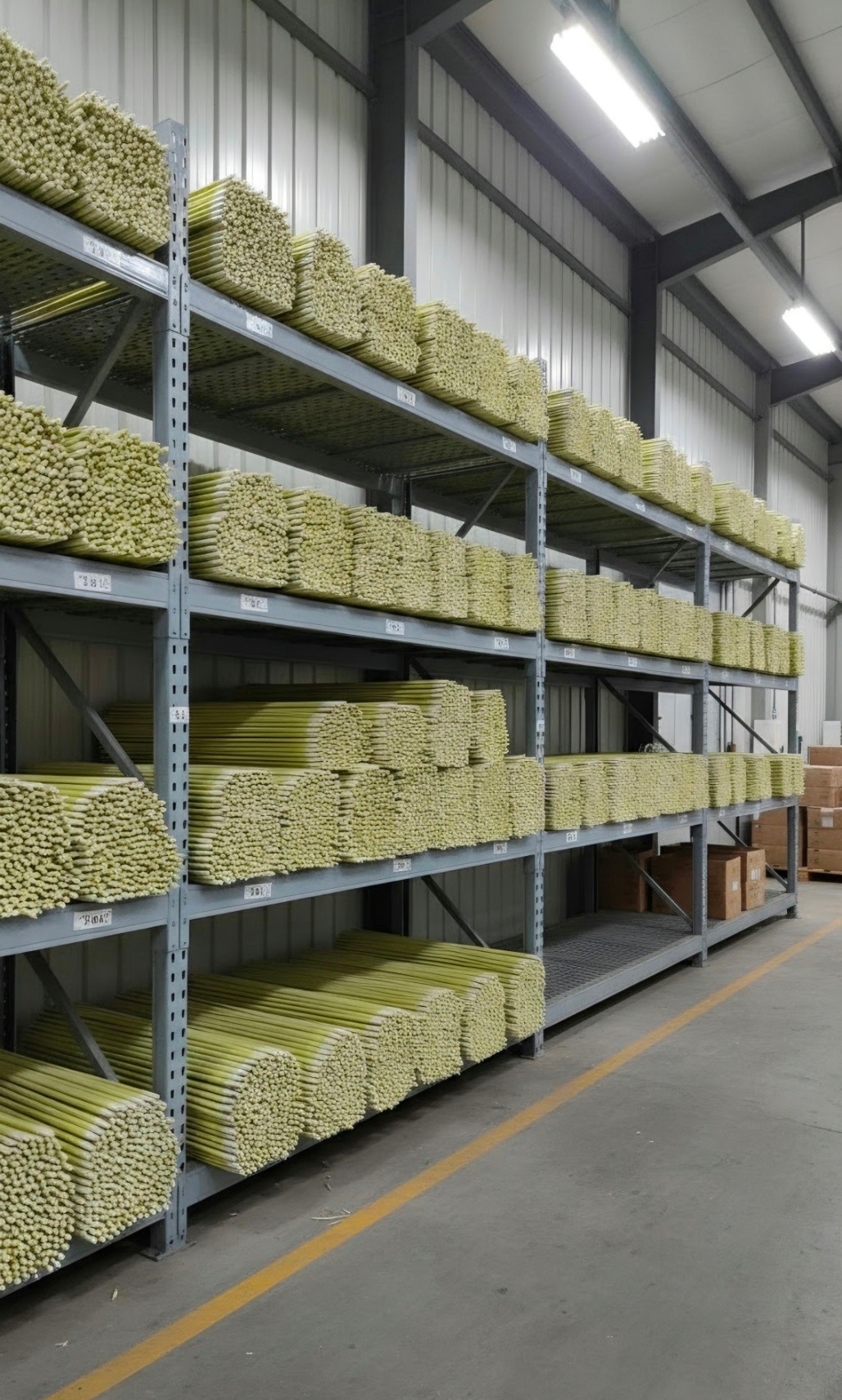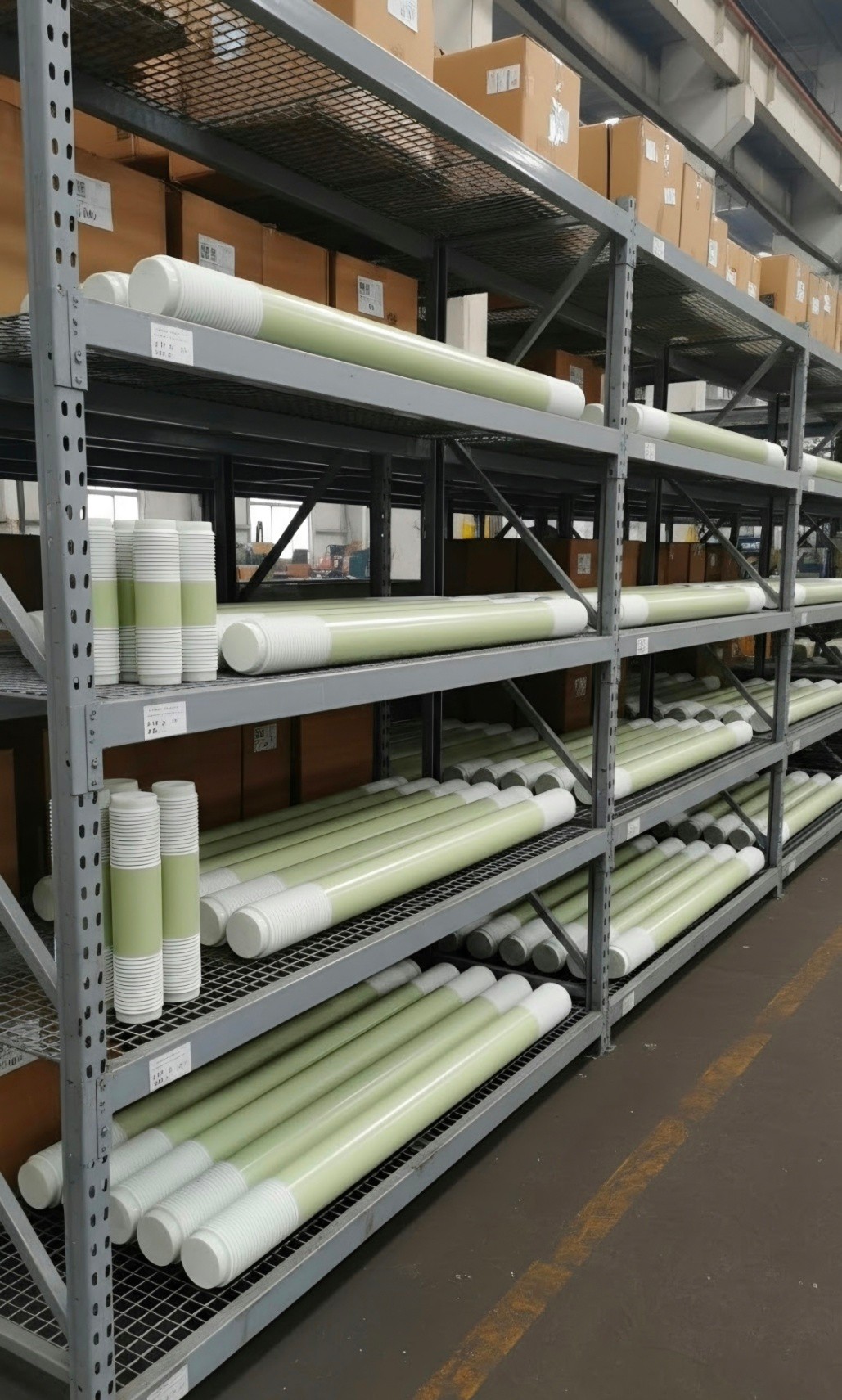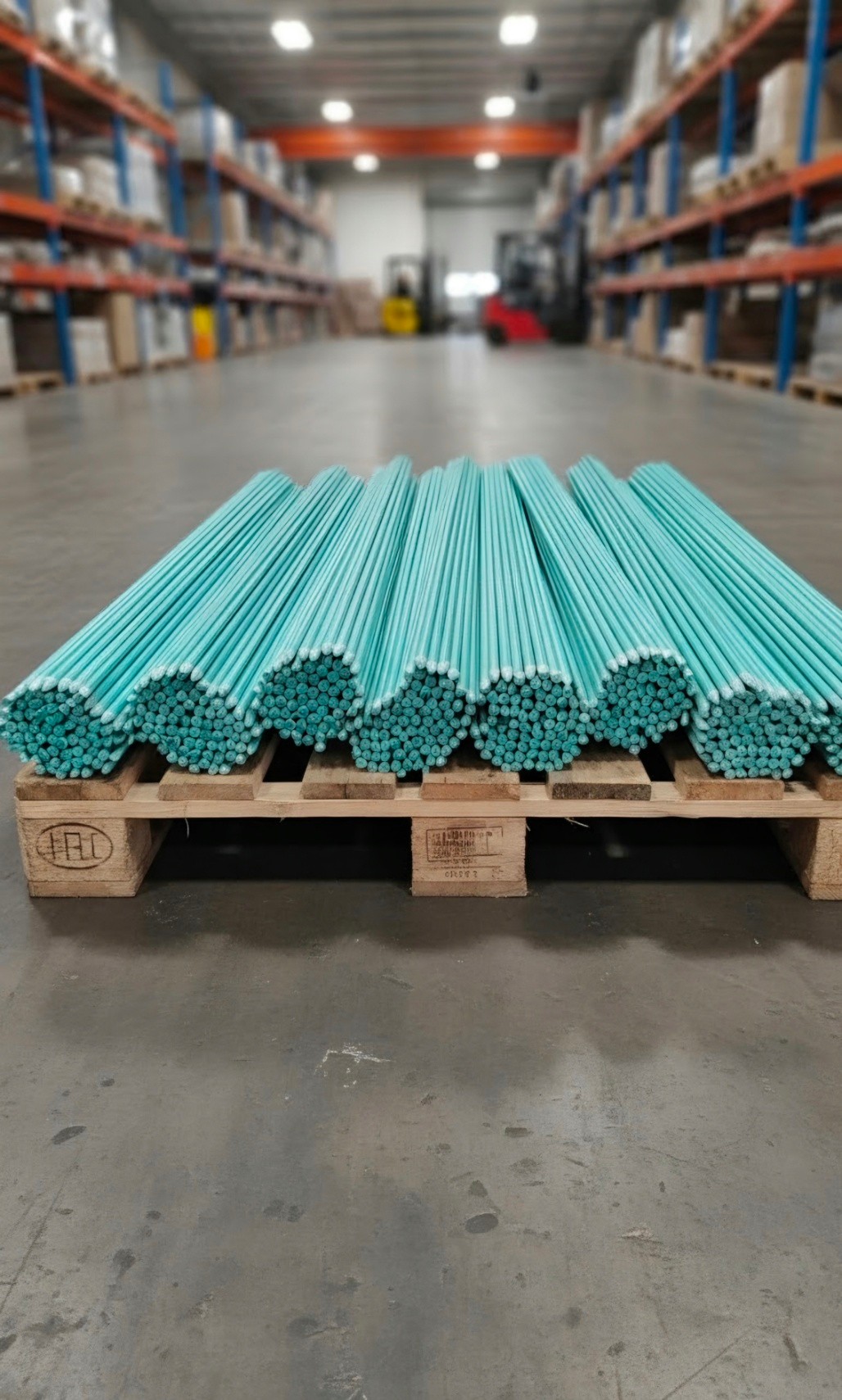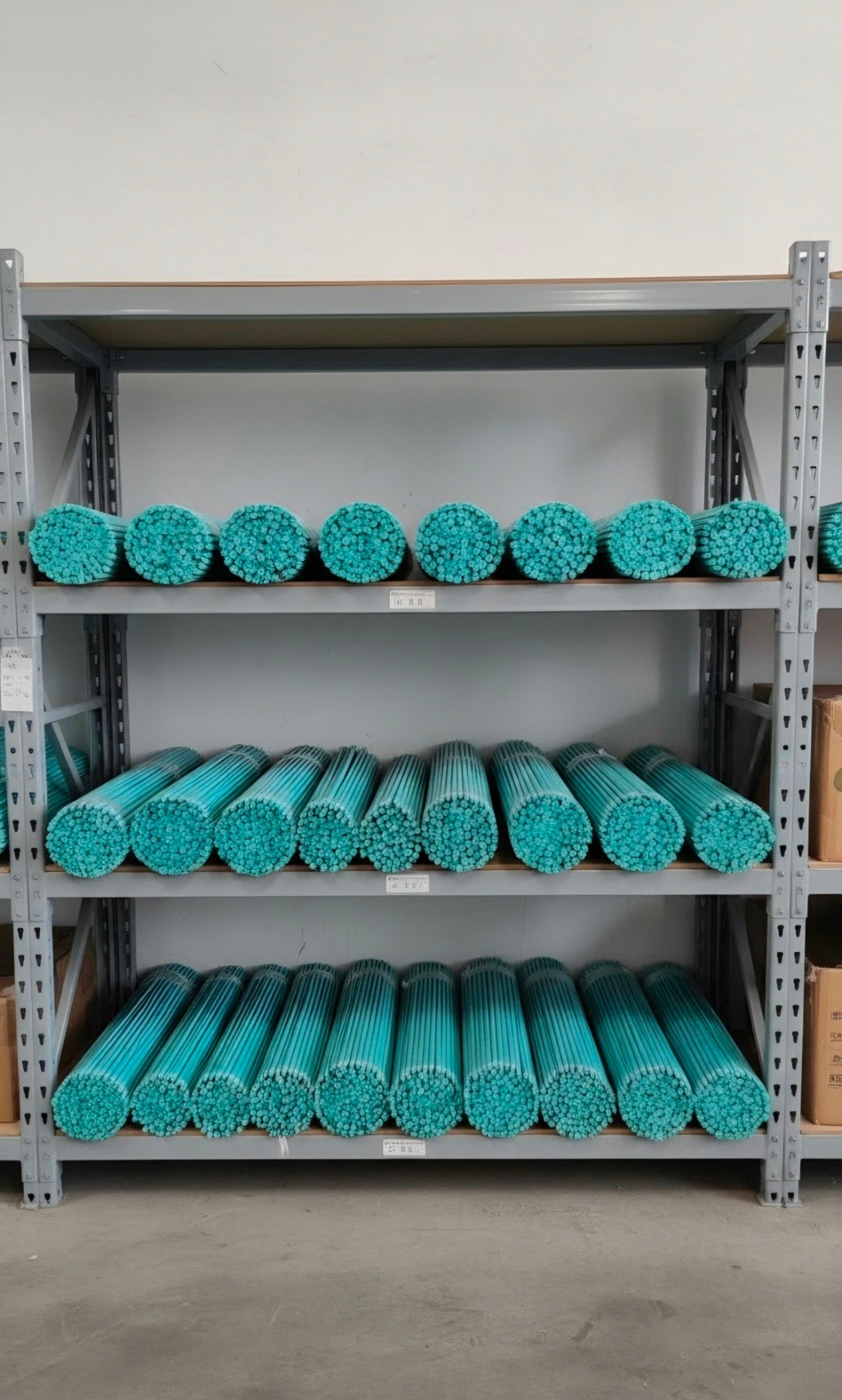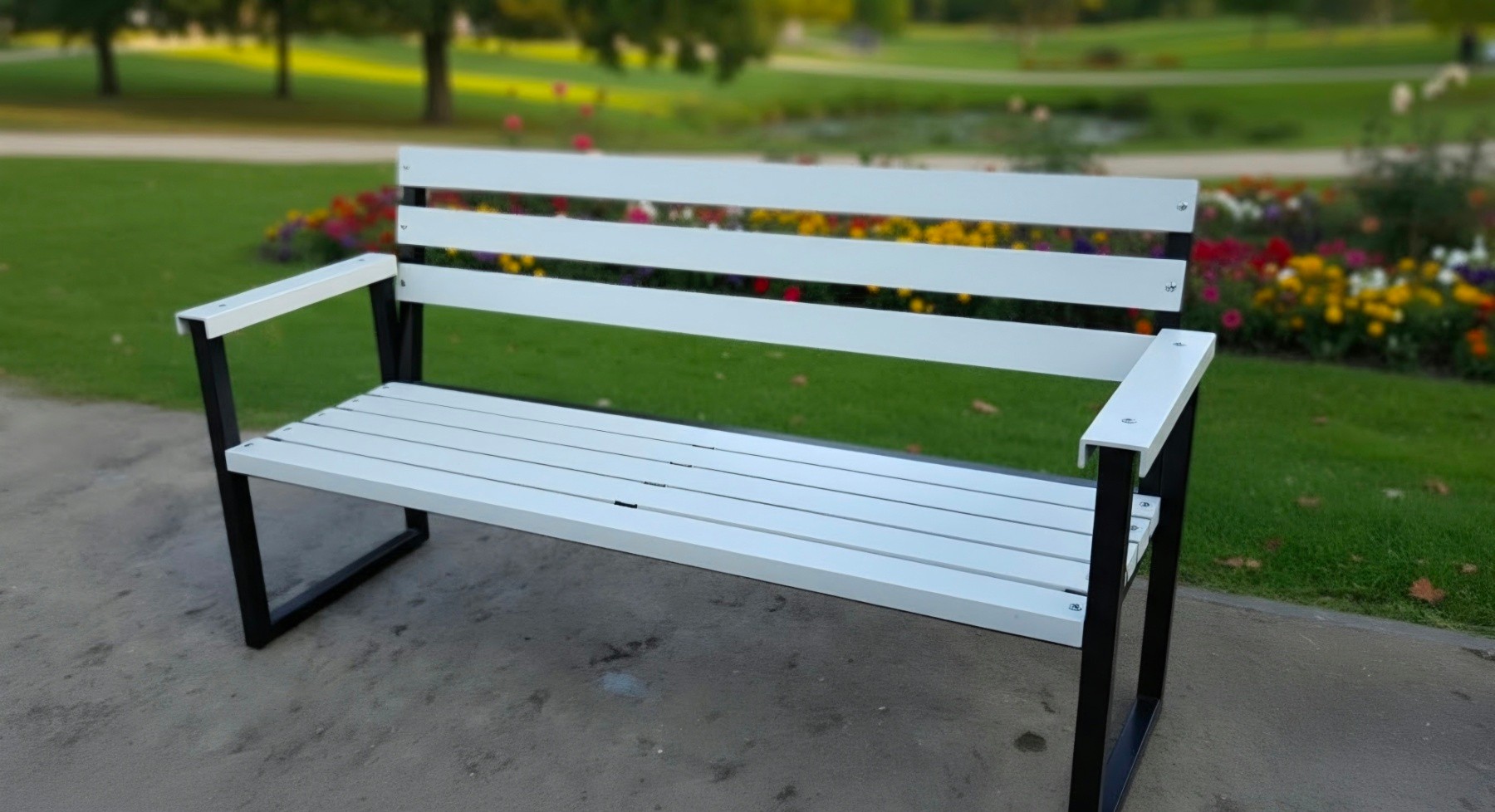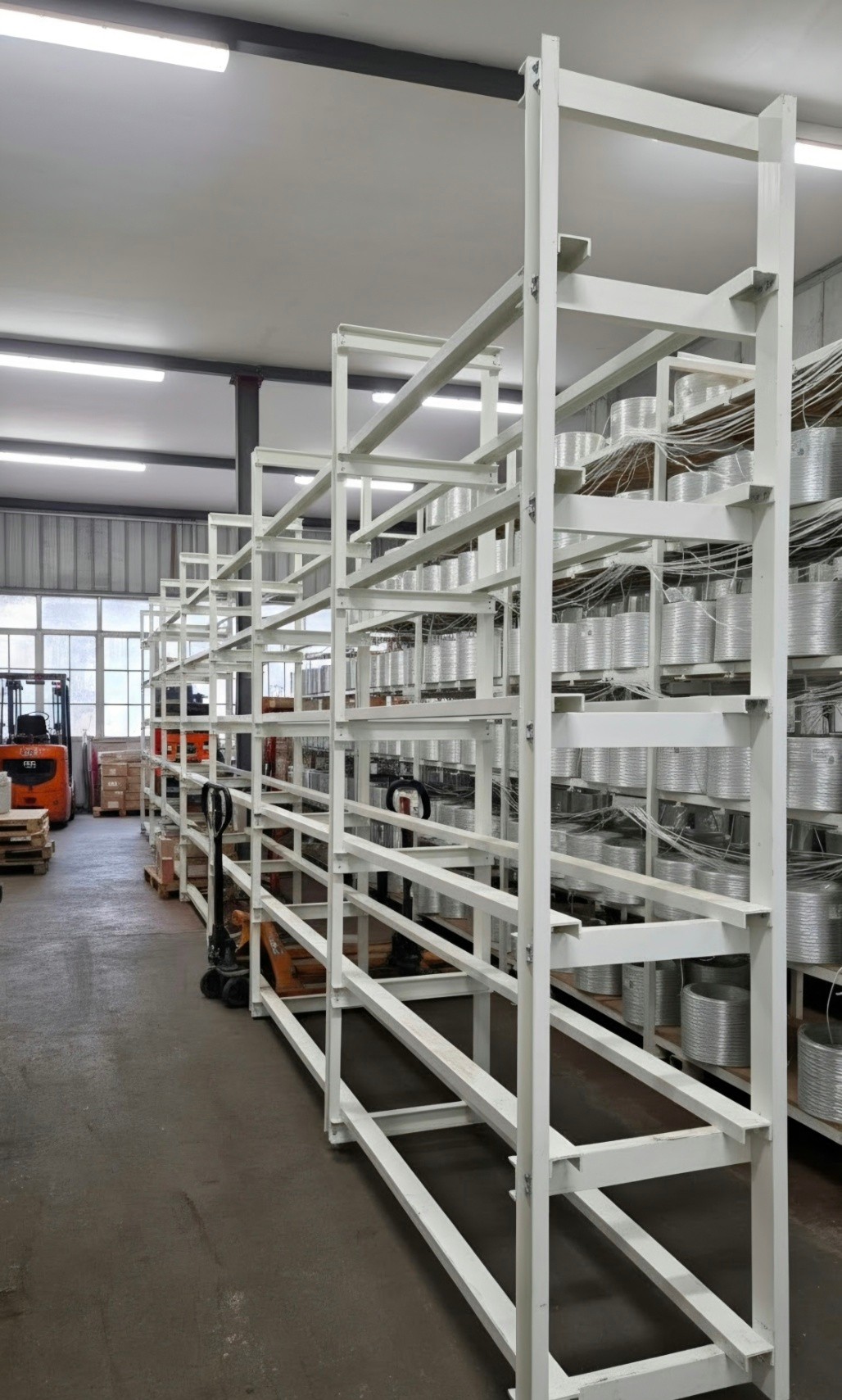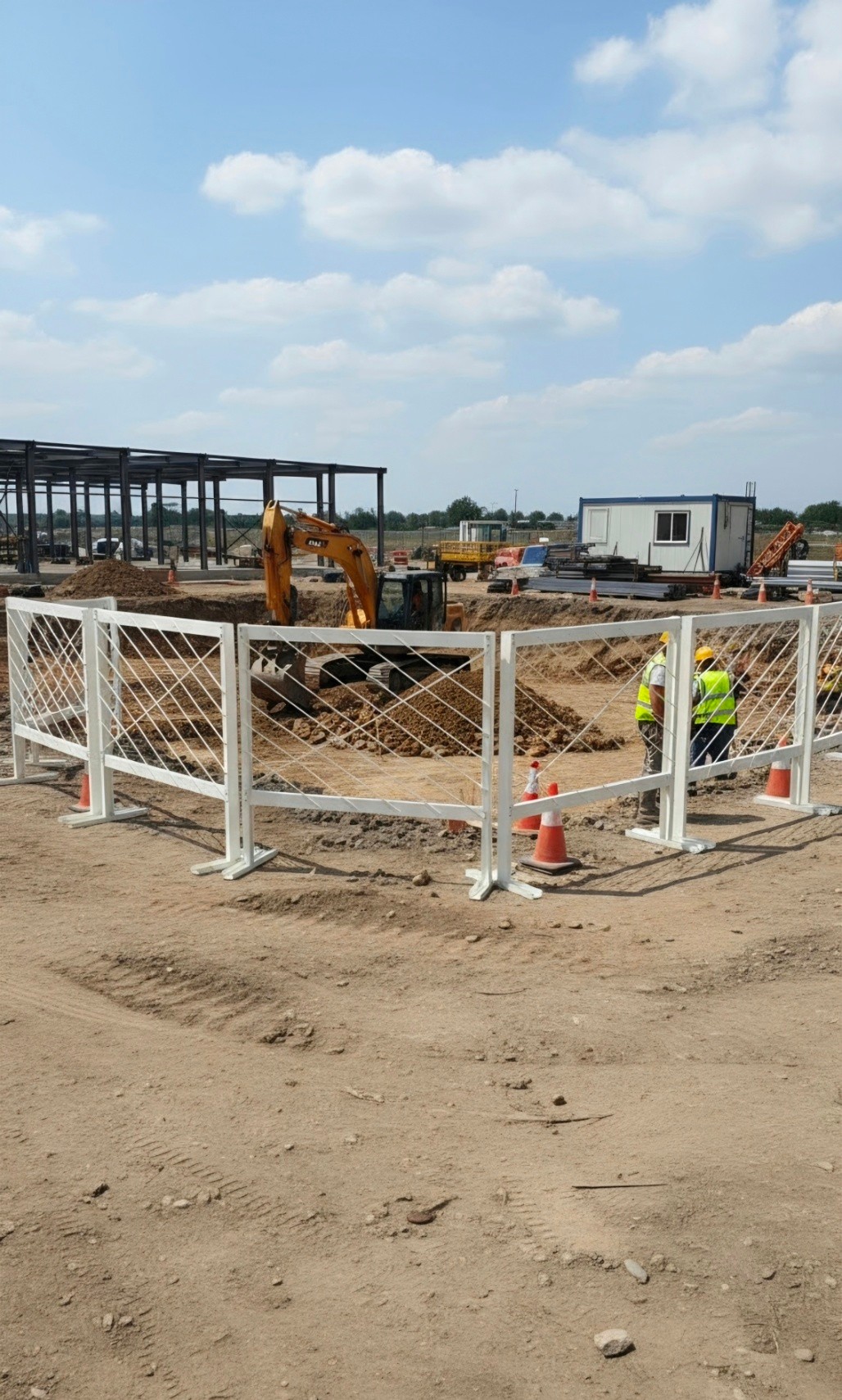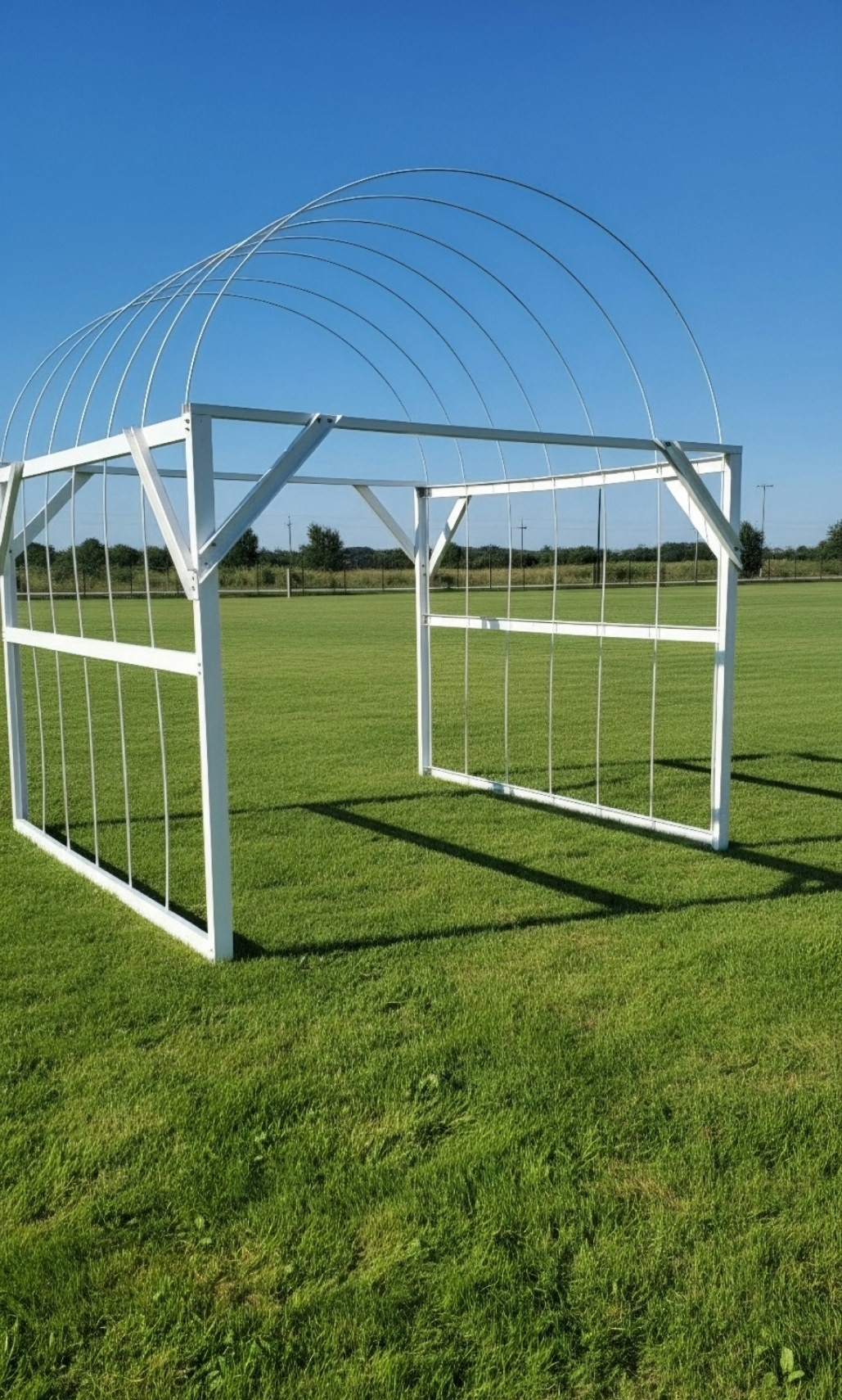

At Jopo Composite, pultrusion is the core of our production. In our 12,000 m² facility in Negotino, North Macedonia, we use the pultrusion process to make fiberglass reinforced plastic (FRP) profiles that are strong, lightweight, corrosion resistant and electrically insulating – with the same shape and quality along every meter.
What is pultrusion?
Pultrusion is a continuous manufacturing process for composite profiles with a constant cross-section. The name comes from “pull” and “extrusion”: instead of pushing material through a die, continuous reinforcing fibers are pulled through a resin bath and a heated forming die. The result is a solid composite profile such as a rod, tube, plate or channel that is cut to the required length.
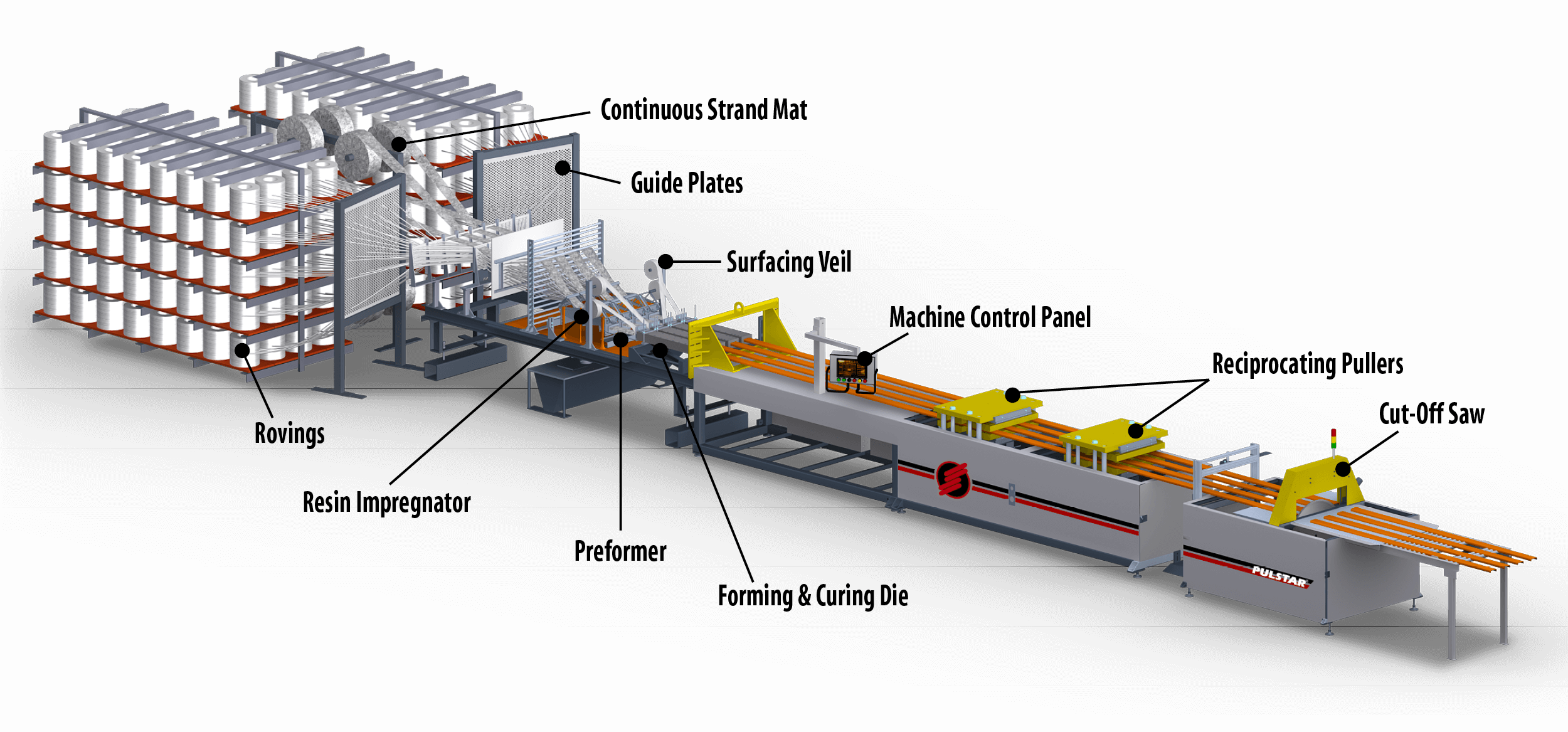
How the pultrusion process works
- Reinforcement feeding – continuous glass fiber rovings and continuous strand mat are pulled from the creel. A surfacing veil can be added for a smoother, more durable surface.
- Resin impregnation – the fibers pass through the resin impregnator, where they are fully wetted with polyester, vinylester or epoxy resin.
- Preforming – guide plates bring the wet fibers into the shape of the final profile before it enters the die.
- Curing in the heated die – inside the heated die the resin cures and the profile gets its final shape and dimensions.
- Pulling – reciprocating pullers move the cured profile forward at a controlled, steady speed.
- Cutting – a cut-off saw cuts the finished profile to the length the customer needs.
Advantages of pultruded FRP profiles
- High strength-to-weight ratio – much lighter than steel
- No corrosion or rust, even in chemical and marine environments
- Excellent electrical and thermal insulation
- Consistent dimensions and quality in long production runs
- Low maintenance and long service life
Our pultruded products
We produce FRP round rods, FRP plates, FRP round tubes, FRP channels and FRP radomes, as well as custom profiles. See the materials we use or contact us to discuss your project.
Pultrusion vs. extrusion
Extrusion pushes a heated material, such as aluminium or thermoplastic, through a die. Pultrusion pulls continuous reinforcing fibers, wetted with thermoset resin, through a heated die where the resin cures. Because the fibers run continuously along the profile, pultruded FRP profiles reach a strength comparable to steel at a fraction of the weight, while also being corrosion resistant and non-conductive – properties extruded metal or plastic profiles cannot offer at the same time.
Custom pultrusion: profile design and pultrusion dies
Every pultruded profile is shaped by its own pultrusion die. Besides our standard FRP rods, tubes, plates and channels, we develop custom pultruded composite profiles to customer drawings. Our engineers help select the right fiber architecture, resin system and profile geometry so the profile meets the required mechanical, electrical and environmental demands.
Where pultruded FRP profiles are used
- Electrical industry – insulating rods, tubes and support profiles
- Telecommunication – radome covers and antenna housings
- Civil engineering and buildings – window frame profiles and cable management systems
- Wind power – lightweight structural components
- Transportation and industrial equipment
Frequently asked questions about pultrusion
What materials are used in pultrusion?
Pultruded profiles are made of continuous reinforcing fibers – mostly glass fiber rovings and mat – combined with a thermoset resin such as polyester, vinyl ester or epoxy. See our FRP materials page for details.
What are the advantages of pultruded FRP profiles?
Pultruded FRP profiles are lightweight, have high strength, do not corrode or rust, are electrically and thermally insulating, and keep a constant shape and quality along their full length.
Can you produce custom pultruded profiles?
Yes. In addition to our standard range, we produce custom pultrusions to customer drawings. Contact us with your profile requirements.
What is the difference between pultrusion and filament winding?
Pultrusion produces constant cross-section profiles with fibers running mainly lengthwise, while filament winding wraps fibers around a mandrel at set angles to make tubes and cylinders with high hoop strength.
Pultruded FRP profiles
Our pultrusion lines produce strong, lightweight fiberglass profiles with a consistent shape and quality, ready for use in construction, energy, transport and everyday products.